Chapter 1 — The Mike Everyone Saw
Before I talk about anxiety, grief, burnout and everything that sat beneath the surface, it's important to understand the version of Mike that most people knew. This chapter is about the life people could see: the cars, the road trips, the events, the friendships and the experiences that made it look as though everything was exactly as it should be.
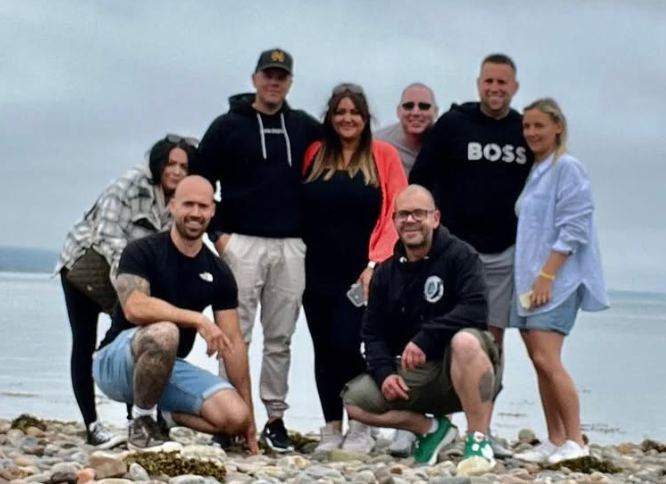
This photo was taken on the NC500 in 2023 and, looking back, it perfectly captures the version of Mike that everyone saw.
At the time, my BMW 440i had recently been wrapped and transformed into what many people knew as The Hulk. I was surrounded by a group of people I proudly referred to as La Famiglia, and although time has moved on, some of those friendships remain just as important today.
The NC500 was one of the most memorable road trips of my life. That says a lot considering I had already completed eight Cannon Runs and travelled to Belgium for GR8 in various cars over the years. Cars had become far more than a hobby; they had become a way of experiencing life, building friendships and creating memories that would last forever.
Between 2018 and 2023, during what I often call The Sharnbrook Years, I became heavily involved with Petrolheadonism as both an Ambassador and a Marshal. For many people attending a show, I was one of the first faces they would meet. Whether welcoming visitors through the gates, helping people find their way around or occasionally reminding someone not to bounce their limiter, I became a familiar face within the community.
I never did it for the money. I did it because I genuinely loved the car community and everything it represented. I loved the atmosphere, the people, the stories and the friendships that were built through a shared passion. Being part of that environment brought me a huge amount of enjoyment and purpose.
To anyone looking in from the outside, life looked pretty good. I had a successful career, a house, cars I was proud of, incredible road trips and what appeared to be a large circle of friends. People knew who I was at events. They saw someone who was approachable, friendly and always seemed to be in the middle of the action.
On the surface, they saw a man who had achieved many of the things he had set out to achieve and who was living a life full of experiences.
The photos, road trips and car shows told one story. Behind closed doors,
there was another story unfolding that very few people ever saw. This
chapter isn't about the life I was sharing with others; it's about the life
I was trying to manage on my own.
For many years, I lived in what I now recognise as survival mode, although
at the time I had no idea that was where I was. I simply thought this was
what adulthood was supposed to feel like.
Before COVID, work became a huge part of my identity. I was regularly
leaving home before 6am and often not getting back until 7pm. Looking
back, I think part of the reason was that work gave me purpose and
structure. When I was busy, I didn't have time to think too much about
everything else.
The challenge came when I was on my own. I spent hours sitting in front of
the television, often not really paying attention to what was on. Food
became a comfort and a coping mechanism. Large portions, unhealthy choices
and at least one share bag of crisps a day became normal. I wasn't eating
because I was hungry; I was eating because it helped quiet whatever was
going on in my head for a little while.
Then COVID arrived and, like many people, I found the experience
incredibly difficult. Because of the role I worked in, I felt a huge
responsibility to follow the guidance exactly. With my family living in a
different part of the country, situations that others may have viewed as
small risks often created significant anxiety for me. There were times
when that anxiety developed into panic attacks and overwhelming stress.
I don't think many people truly understood just how much that period
affected me. The constant news coverage, social media discussions and
uncertainty created a level of pressure that I carried long after the
restrictions had gone away.
At the same time, I often placed enormous expectations on myself. After
losing many of my close friendships following a ski trip in 2010, I spent
years feeling isolated. The car community would eventually help change
that, but for a long time I struggled with loneliness and depression. I
also felt a strong sense of responsibility towards my family, particularly
after losing my dad, and often put pressure on myself to be the person who
held everything together.
The combination of long working hours, internal pressure, anxiety and a
desire to keep everyone else happy regularly pushed me into burnout. When
that happened, frustration would sometimes build up until it came out as
anger. The reality was that I wasn't angry at anyone else; I was exhausted
and overwhelmed, but I didn't yet understand why.
Years later, learning more about autism finally helped me understand many
of the patterns that had shaped my life. I realised that I had spent years
masking, people-pleasing and ignoring my own needs until everything
reached breaking point.
Looking back now, I believe I lived in survival mode from around 2014
until 2025. From the outside, I looked successful. Inside, I was simply
trying to get through each day without understanding the pressure I was
carrying or the impact it was having on me.
Some losses change the way you see the world. This chapter is about the
people I loved, the people I lost, and the lessons grief taught me over the
years. Looking back, there was almost a decade where loss became a recurring
part of life, and each experience left its own mark on me.
The first real experience of grief I can remember was losing my Nan in
2012. Looking back, she wasn't especially old, but at the time she felt
like someone who would always be there. After leaving school, I spent a
lot of time with both my Nan and Grandad while I was finding my feet in
the world. Those days created a bond that is difficult to put into words.
Like most families, we didn't always agree on everything, but there was
never any doubt about how much I loved them. I remember telling my Nan
that one day I would take her out in a white Mercedes. Sadly, I never got
the chance. Years later, however, I drove my Grandad and my Nan's ashes in
a white BMW for her final journey, and somehow that felt like keeping a
promise in a different way.
Through understanding my autism later in life, I also came to understand
something about my grief. Mine often arrives late. While other people may
process loss immediately, I sometimes take weeks or months before the full
emotional impact catches up with me. Occasionally it would be a song on
the radio or a memory appearing out of nowhere that would suddenly bring
everything to the surface.
Just two years later, in 2014, my Auntie Alison was diagnosed with cancer.
Everyone knew she was my favourite auntie. I love all of my family, but
there was a connection between us that was unique. When I discovered the
type of cancer she had, I knew the outlook wasn't good, but understanding
the reality of a situation doesn't make it any easier when that reality
arrives.
I found out on my birthday that she was being moved into a hospice for
end-of-life care. Despite how difficult that was, I feel incredibly
privileged to have spent time with her and my family during those final
days. Those moments remain some of the most important memories I have.
The months that followed were complicated. Life didn't stop, and neither
did the responsibilities that came with it. Looking back, I don't think I
ever fully gave myself permission to grieve properly at the time. Instead,
I kept moving forward. During that period I sold a car, saved money,
purchased my first flat and continued building a life, all while carrying
emotions I hadn't truly processed.
Nothing, however, prepared me for what happened in 2015.
Just six weeks after moving into my flat, my dad suffered a brain
aneurysm. He spent a week at Addenbrooke's Hospital before we were told
there was nothing more that could be done. I remember seeing the scan on
the first day and realising how serious the situation was. Throughout that
week, I researched everything I could, trying to understand the possible
outcomes and holding on to whatever hope remained.
On 11th September 2015, we lost him.
People around the world associate that date with many different things,
but for me it will always be the day I lost my dad.
There isn't a day that goes by when I don't think about him. Sometimes it
is only a passing thought. Sometimes it is a memory that stays with me for
a few minutes. Other times, particularly when life becomes difficult, I
still find myself asking the same question:
What would Dad do?
Over the years I have learned that grief never really leaves you. Instead,
it becomes part of who you are. That is why I try to spend Father's Day
doing something positive, whether that's attending a car show, going for a
drive or simply making the most of the day. I know deep down that's what
he would have wanted.
Then, during the COVID years, our family experienced another loss when my
Uncle Rick was diagnosed with cancer. He was probably one of the fittest
people in the family and someone I shared many interests with, particularly
cars and technology. We weren't the sort of people who needed long
conversations to understand one another; there was a quiet mutual respect
that existed between us.
The hardest part was that COVID restrictions and circumstances meant I
didn't get the opportunity to spend the time with him that I would have
liked. While I completely respected his wishes, I carried a feeling for a
long time that I had never properly told him how much his influence and
support meant to me after losing Dad.
Loss has shaped many parts of my life. It taught me that time is precious,
that people leave a lasting impact in ways they may never realise, and that
carrying someone's memory forward can be just as important as mourning their
absence.
For most of my life, I believed I simply needed to try harder, cope better
or be more resilient. It wasn't until my late thirties that I began to
realise there might be another explanation for many of the challenges I had
experienced throughout my life.
I turned 40 in May 2026, but it wasn't until I was 38 that I first
recognised I was likely autistic. Although I have never pursued a formal
diagnosis, it was through information I came across online that I started
noticing patterns and experiences that felt uncomfortably familiar.
At first, it was simply a curiosity. By late 2025, however, I had begun
to understand just how much autism had influenced my day-to-day life,
relationships and overall wellbeing.
One of the biggest challenges for me has always been uncertainty. A lack
of clarity, incomplete information or situations where expectations are
unclear can create significant stress and anxiety. In some situations this
is unavoidable, but I have learned that gathering additional information,
asking questions and creating a clearer picture often helps me manage that
uncertainty far more effectively.
Looking back, I realised I had spent much of my life masking who I really
was. I learned to carefully manage how I reacted to situations, what I
said and how much of myself I showed to others. Part of this may have been
influenced by years of bullying during school, but whatever the reason, I
became very good at hiding parts of myself in order to fit in and avoid
being judged.
I also became a people pleaser. Even when I held a strong opinion or knew
I was correct about something, I would often stay quiet to avoid conflict.
Keeping the peace felt safer than defending my position. Over time, that
meant I spent a lot of energy making sure everyone else was comfortable
while ignoring my own needs.
Sensory overload was another piece of the puzzle that finally made sense.
In busy environments, I often find myself processing multiple
conversations, noises and distractions simultaneously. It isn't a choice;
my brain simply notices everything at once. To someone else, it can appear
as though I am not paying attention, when in reality I am trying to
process more information than most people realise.
The combination of masking, people pleasing and sensory overload often led
to burnout. My social battery would gradually become depleted without me
recognising it. There were times when I would need to remove myself from a
busy family gathering for a while, and other times when I would spend the
entire following day sleeping simply because I had exhausted myself trying
to keep up with everything around me.
Because I never properly understood what was happening, I also failed to
establish healthy boundaries. Whether it was family, friends or work, I
often accepted more pressure than I should have. Nobody was deliberately
causing me harm; rather, I didn't understand how strongly my own mind and
nervous system responded to certain situations, expectations and
environments.
Another challenge has been memory. I remember surprisingly little of my
childhood and often rely on photographs or stories from others to fill in
the gaps. I want to be clear that I do not consider my childhood a bad
one. I was raised by two loving parents and experienced many happy
moments. Nonetheless, large parts of that period simply aren't accessible
to me in the way they seem to be for other people.
My mind has also never been a quiet place. It often feels like I have
multiple tabs open at the same time. There is always an internal
conversation taking place, ideas connecting together and scenarios being
analysed. Even while asleep, my brain rarely seems to switch off
completely.
One of the reasons I communicate so directly is because I spend a great
deal of time thinking through situations before they happen. When I
prepare for a conversation, I often consider multiple outcomes, responses
and possibilities in advance. As a result, when I say something, it is
usually because I have thought about it carefully. I genuinely mean what I
say and say what I mean.
Understanding autism didn't change who I am. What it did change was how I
viewed myself. Things I had spent years seeing as personal failures
suddenly made sense. Instead of constantly asking, "What's wrong with me?",
I started asking, "What works for me?"
That shift in perspective became one of the most important turning points
of my life. It gave me permission to stop fighting who I was and start
understanding myself instead.
Understanding myself was only part of the journey. The next challenge was
figuring out what to do with that understanding and learning how to build a
life that worked for me, rather than constantly trying to meet the
expectations of everyone else.
At some point during 2025, and I still can't pinpoint exactly when, I
believe I finally started to come out of survival mode.
Whether it was reaching some of the milestones I had spent years working
towards, owning a three-bedroom house, having two cars I was proud of,
building a successful career and achieving a level of financial stability,
or whether it was simply a shift in mindset, something changed.
For the first time in a very long time, I wasn't constantly focused on the
next thing I needed to survive. Instead, I found myself asking a different
question: what kind of life did I actually want to live?
Around the same time, I began making small changes to my daily habits. I
started taking vitamins, which unexpectedly helped reduce some of the food
cravings I had struggled with for years. The daily share bags of crisps
stopped feeling essential and, before long, I found the motivation to
start walking.
Those walks became one of the most important habits I have ever developed.
What started as a simple commitment to move more soon became a routine of
four to six miles a day. The weight started to come off and, more
importantly, I began feeling physically and mentally stronger.
Between November 2025 and June 2026, my weight dropped from almost 150kg
to 116kg, a loss of more than four and a half stone. While I am proud of
the weight loss itself, what mattered even more was what it represented:
consistency, discipline and proof that small daily actions can create
remarkable change over time.
I also found myself becoming far more confident. Not many people knew
this, but I began attending singles events and speed-dating evenings. A
few years earlier, I would never have had the confidence to put myself in
those situations. Instead of avoiding discomfort, I started embracing it.
Through those experiences I met a new group of people who encouraged one
another, shared similar experiences and helped me grow even further.
One of the biggest turning points came in early 2026 around my 40th
birthday. My family wanted to celebrate the milestone, but through
everything I had learned about myself, I realised something important. It
wasn't just big birthdays that made me uncomfortable, it was birthdays in
general.
For years, I had felt pressure around celebrations, gifts and the
expectations that often come with them. The value of a gift was never the
issue; it was the feeling of obligation, expectation and social pressure
that I struggled with. As I got older, I realised I felt very similarly
about Christmas too.
For perhaps the first time in my life, I decided to be completely honest
about how I felt. I wrote a letter explaining my experiences, the
discoveries I had made about myself and the boundaries I needed to put in
place going forward. The boundaries weren't designed to push people away.
They were designed to protect my peace.
It wasn't an easy conversation and I knew it would be difficult for some
people to hear. However, growth sometimes means having uncomfortable
conversations, particularly when they are necessary for your own wellbeing.
Since then, many people have commented on the changes they have seen in
me. Not just the weight loss, but the confidence, positivity, openness and
willingness to be my authentic self. For the first time in a long time, I
felt like I was building a life based on who I really am, rather than who
I thought I needed to be.
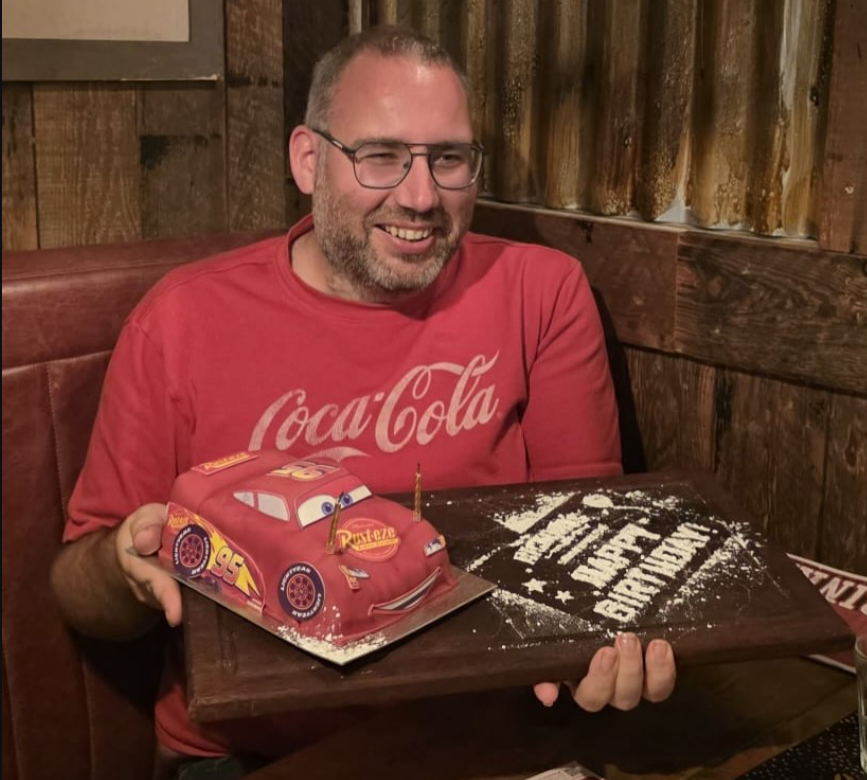
Ironically, I did end up celebrating my 40th birthday. Surrounded by the
friends I consider family, I spent the evening at Hickory's and had a
fantastic time. It was organised as a surprise, although anyone who knows
me will understand that my pattern recognition meant I had a pretty good
idea something was happening long before the day arrived.
Life isn't perfect and neither am I. There are still relationships that
need time to heal and situations that remain complicated. But I've learned
that growth isn't about reaching perfection; it's about reaching a place
where you understand yourself, respect your own boundaries and feel
comfortable with the life you've built.
Today, I am genuinely content. Not because everything is perfect, but
because I finally know who I am, what matters to me and who I want beside
me as I continue the journey.
After everything you've read so far, it would be easy to think this story is
about cars. The truth is, it never was. This story is about mental health,
resilience, loss, self-discovery and learning how to live rather than simply
survive.
Cars have been one of the few constants throughout my adult life. They
have taken me on adventures, introduced me to lifelong friends, helped me
create memories and, during some difficult periods, given me a reason to
get out of bed and focus on something positive.
The car community played a huge role in helping me rebuild my confidence
after years of struggling with anxiety, grief, burnout and loneliness. It
gave me friendships, experiences and a sense of belonging at times when I
needed it most.
So when I started thinking about how I could support Men's Mental Health,
the answer was right in front of me.
Use the thing I love most as a platform for a message that matters.
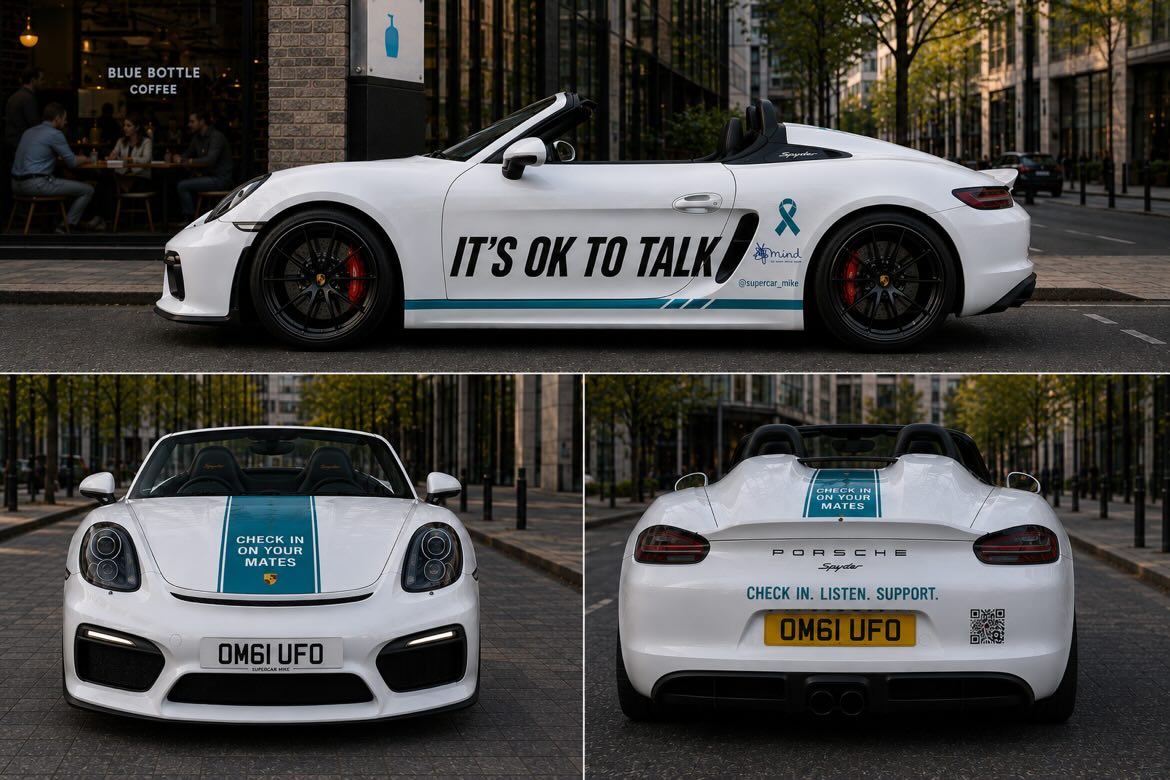
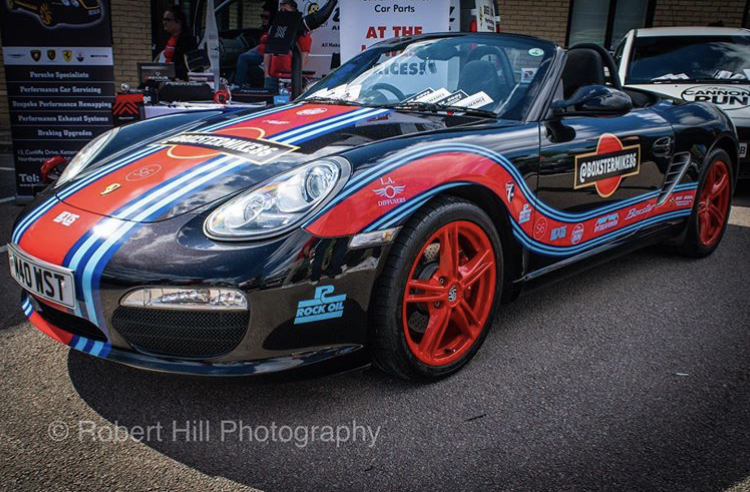
The Porsche Spyder already creates conversations wherever it goes. Whether
it is at a car show, parked at a petrol station or driving through a town,
people notice it. The difference now is that the car has a purpose beyond
being a car.
The first thing many people will see is not the Porsche badge, the engine
or the performance figures.
They will see four simple words:
IT'S OK TO TALK
Those words represent something I wish I had understood much earlier in
life.
For years, I carried anxiety, grief, pressure and burnout without fully
understanding what was happening. On the outside, I looked successful and
happy. On the inside, I was spending much of my life in survival mode.
Looking back, some of those years may have been easier if I had spoken
more openly about what I was carrying.
Men's Mental Health matters to me because I know first-hand how easy it is
to convince yourself that you need to deal with everything alone. Society
often teaches men to stay strong, stay quiet and keep moving forward,
regardless of how much pressure they are under.
The reality is that strength is not about staying silent.
Strength is having the courage to be honest when life feels difficult.
Strength is asking for help when you need it. Strength is checking in on
your mates and listening without judgement.
That's why the car carries messages such as
"Check In On Your Mates",
"Check In. Listen. Support." and
"It's OK To Talk".
They are simple messages, but sometimes simple messages have the greatest
impact.
My hope is that somebody sees the car and starts a conversation. Maybe it
encourages someone to check in on a friend. Maybe it reminds someone that
they are not alone. Maybe it gives somebody the confidence to have a
conversation they have been putting off for weeks, months or even years.
If that happens, then the wrap has already achieved more than any car ever
could on its own.
Most people will see a Porsche.
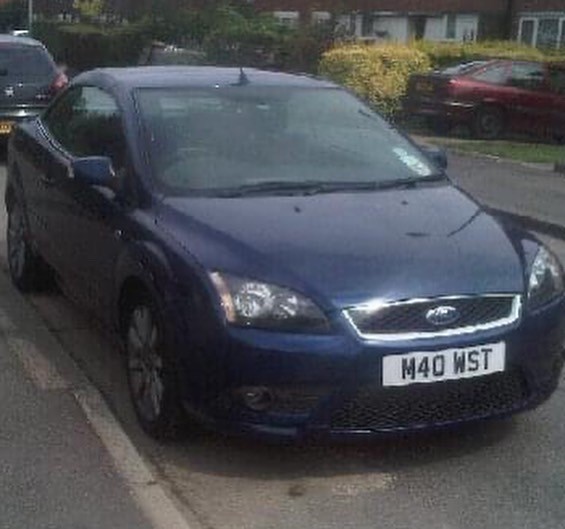
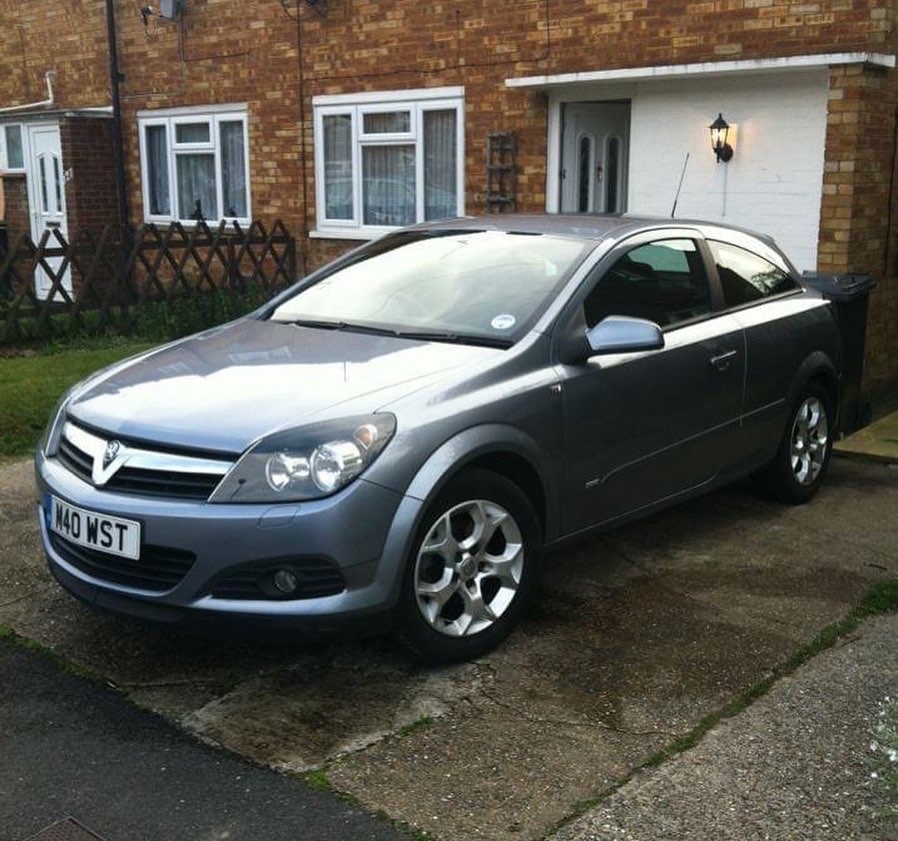
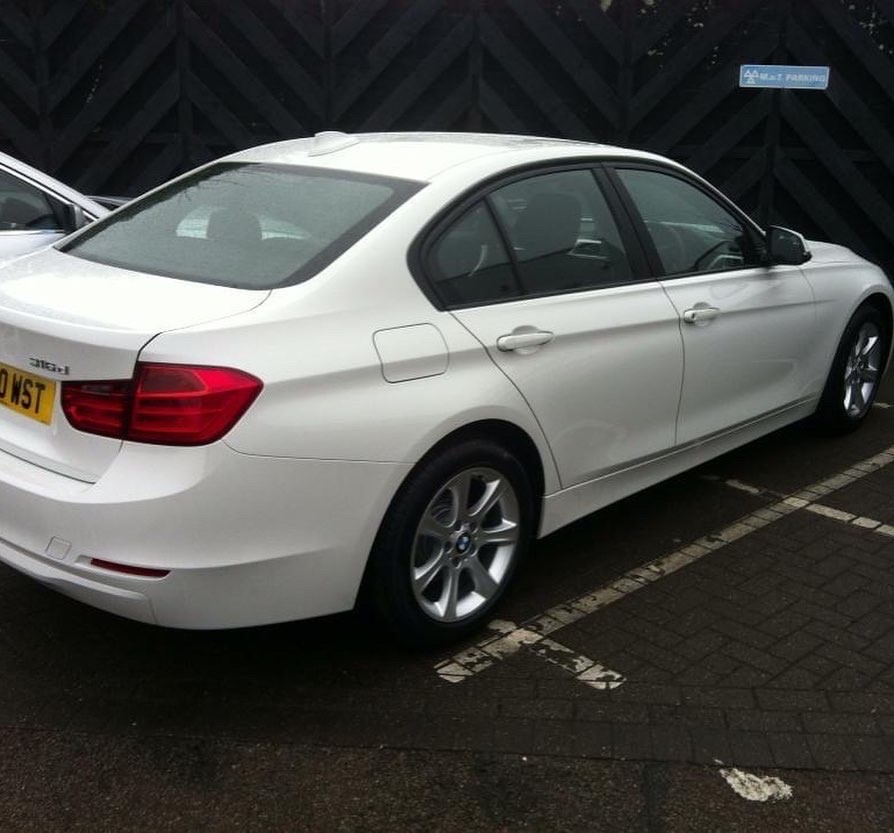
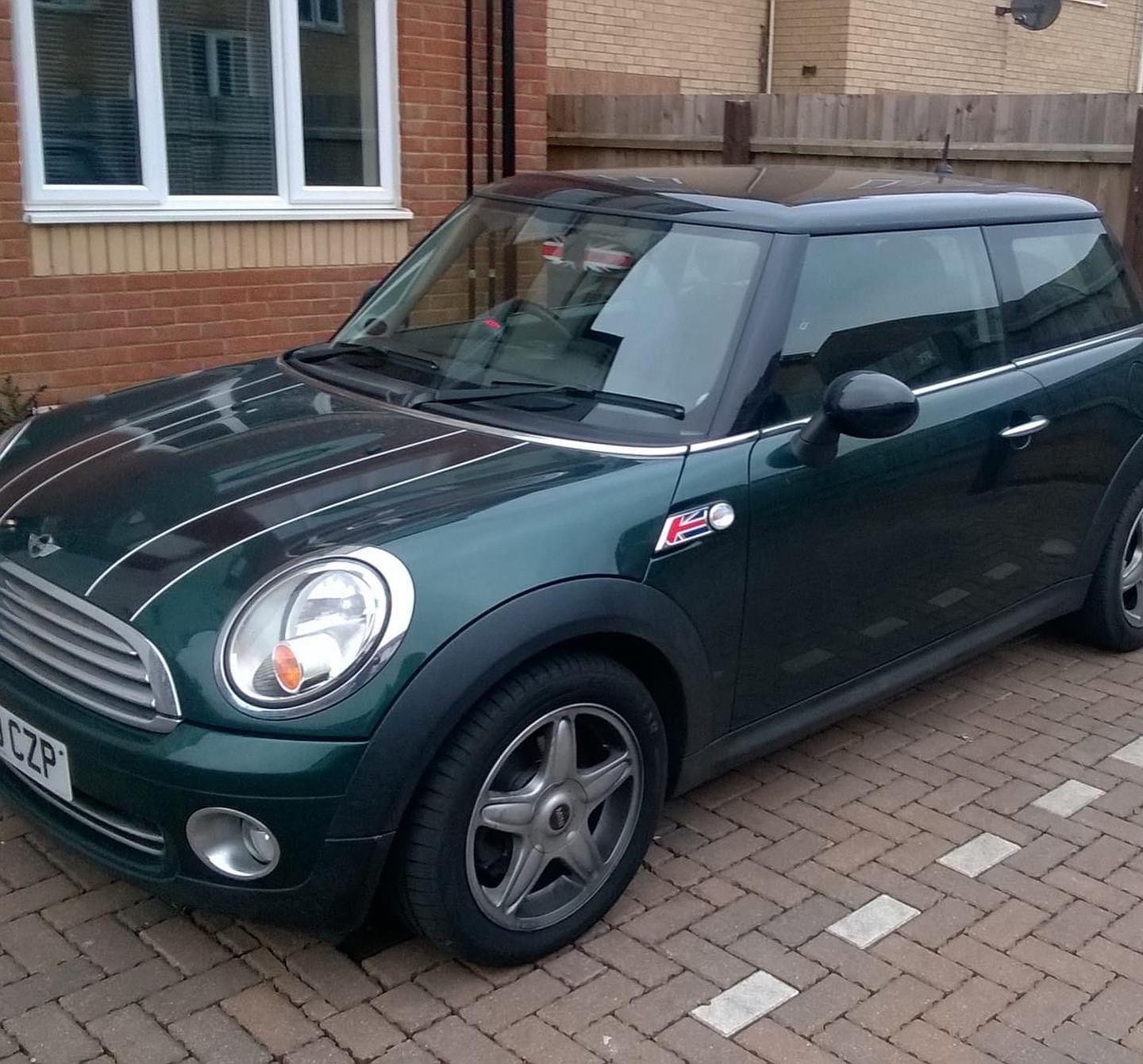
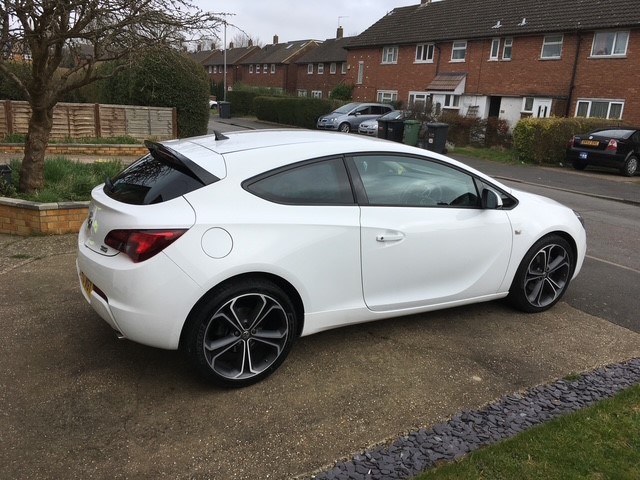
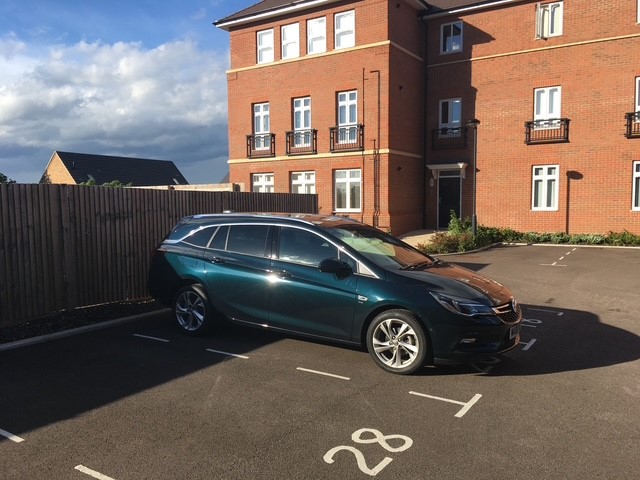
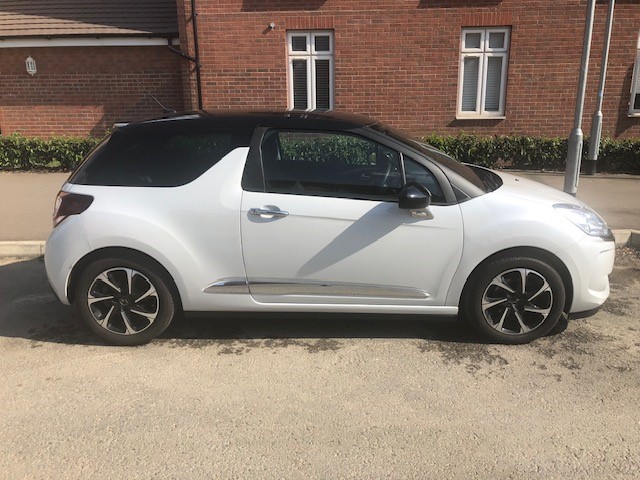
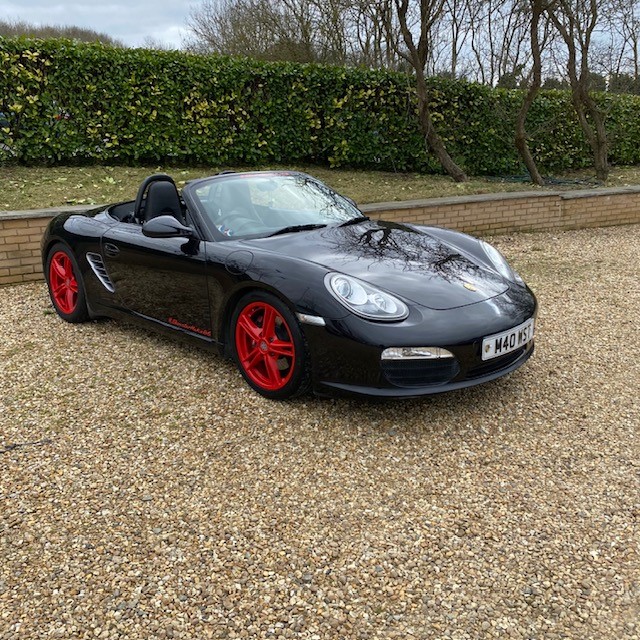
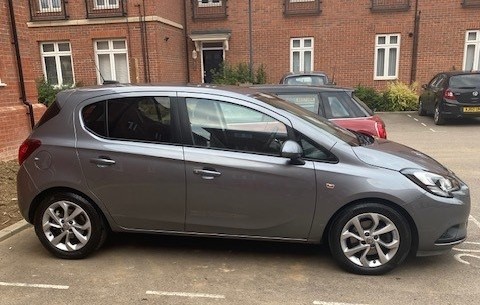
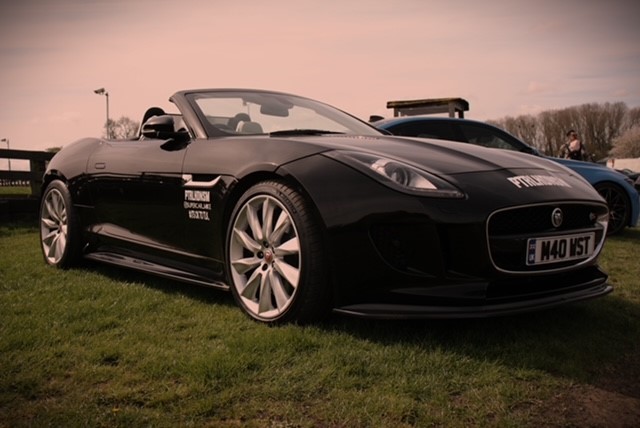
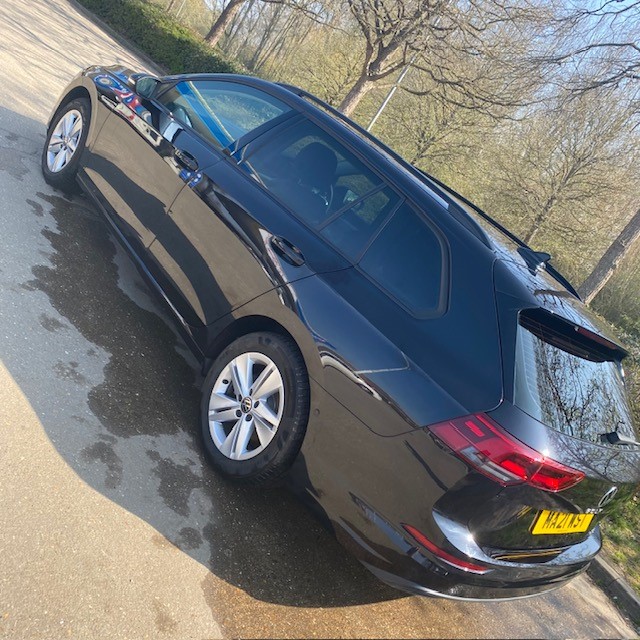
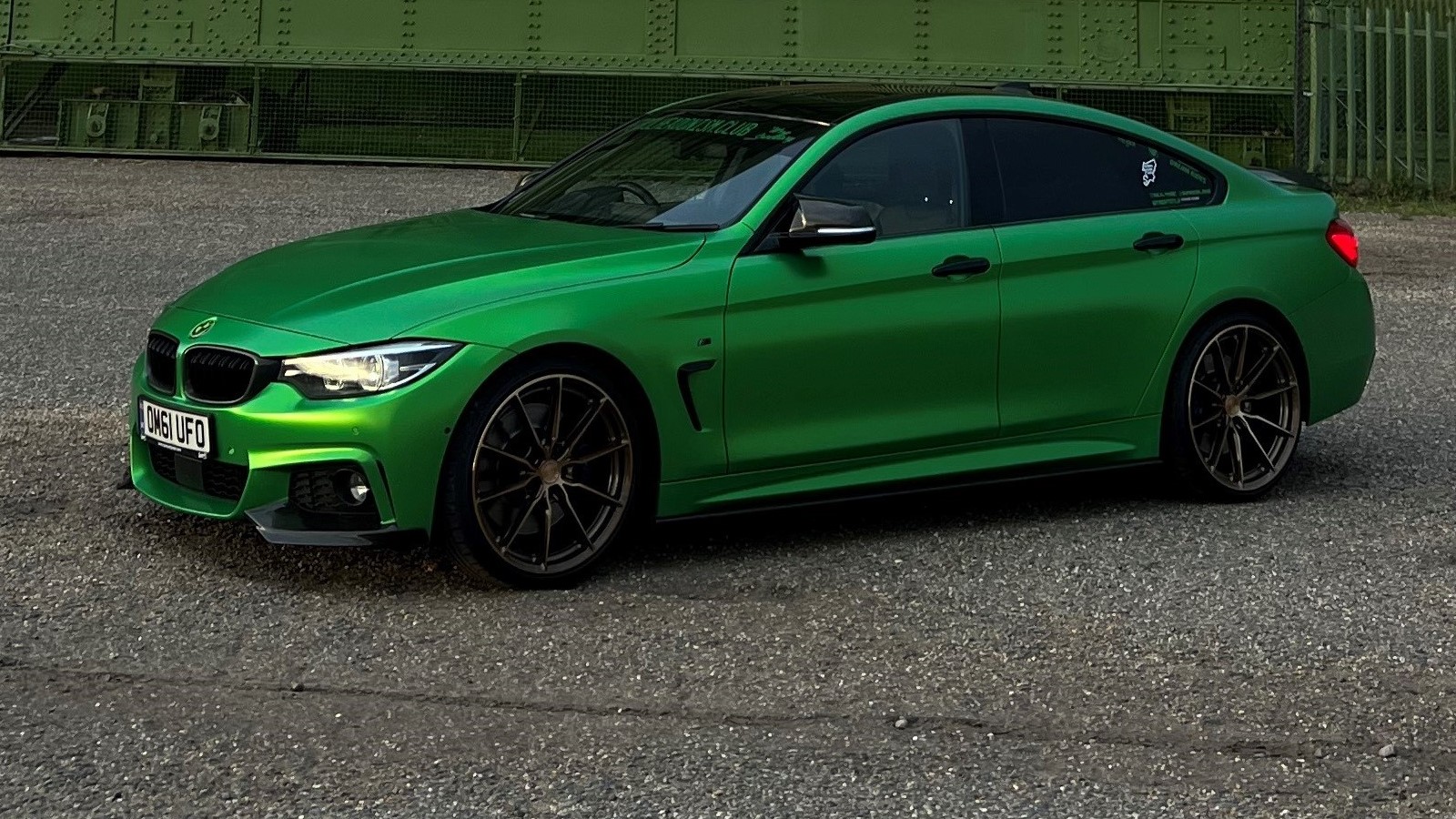
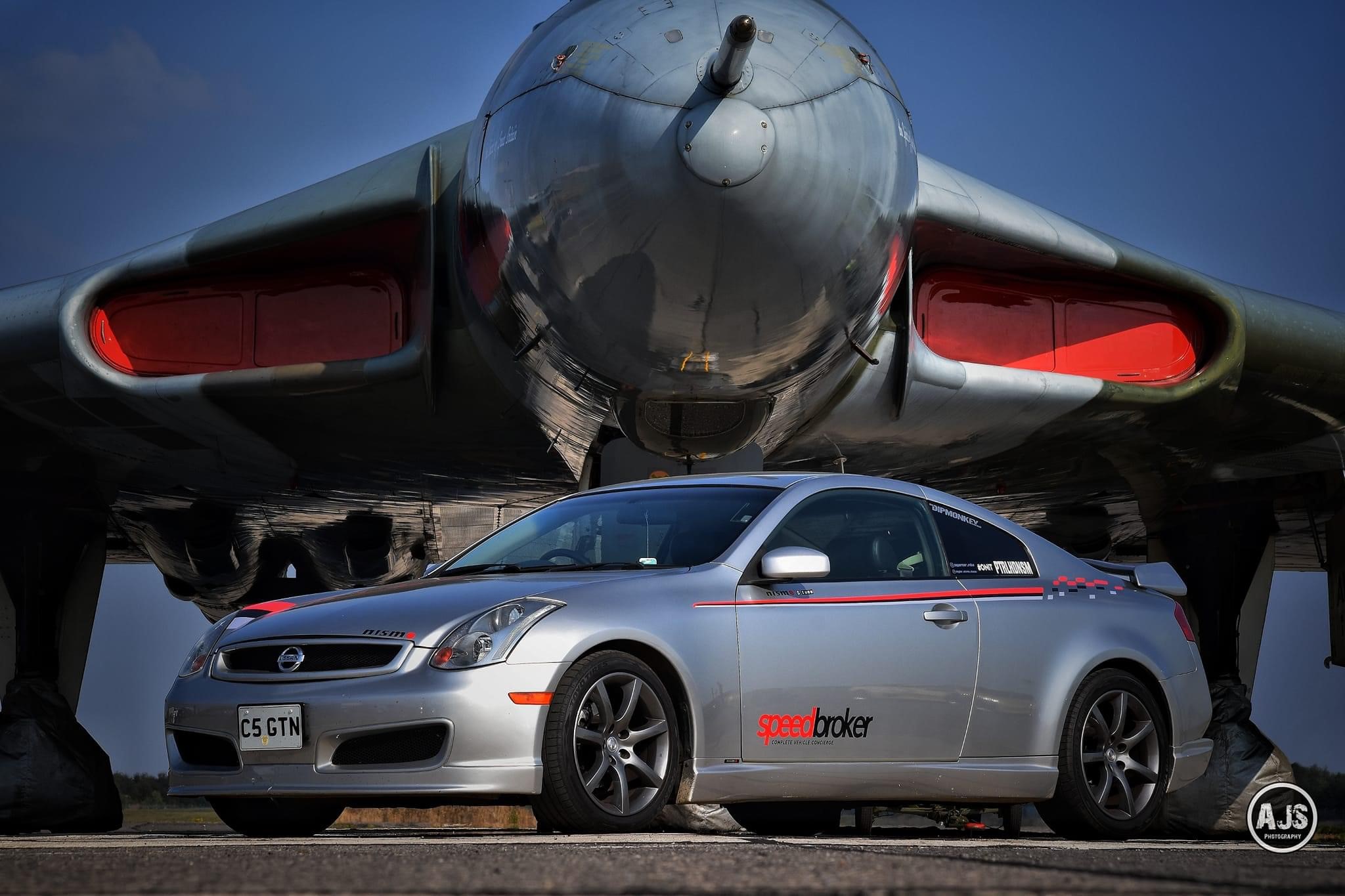
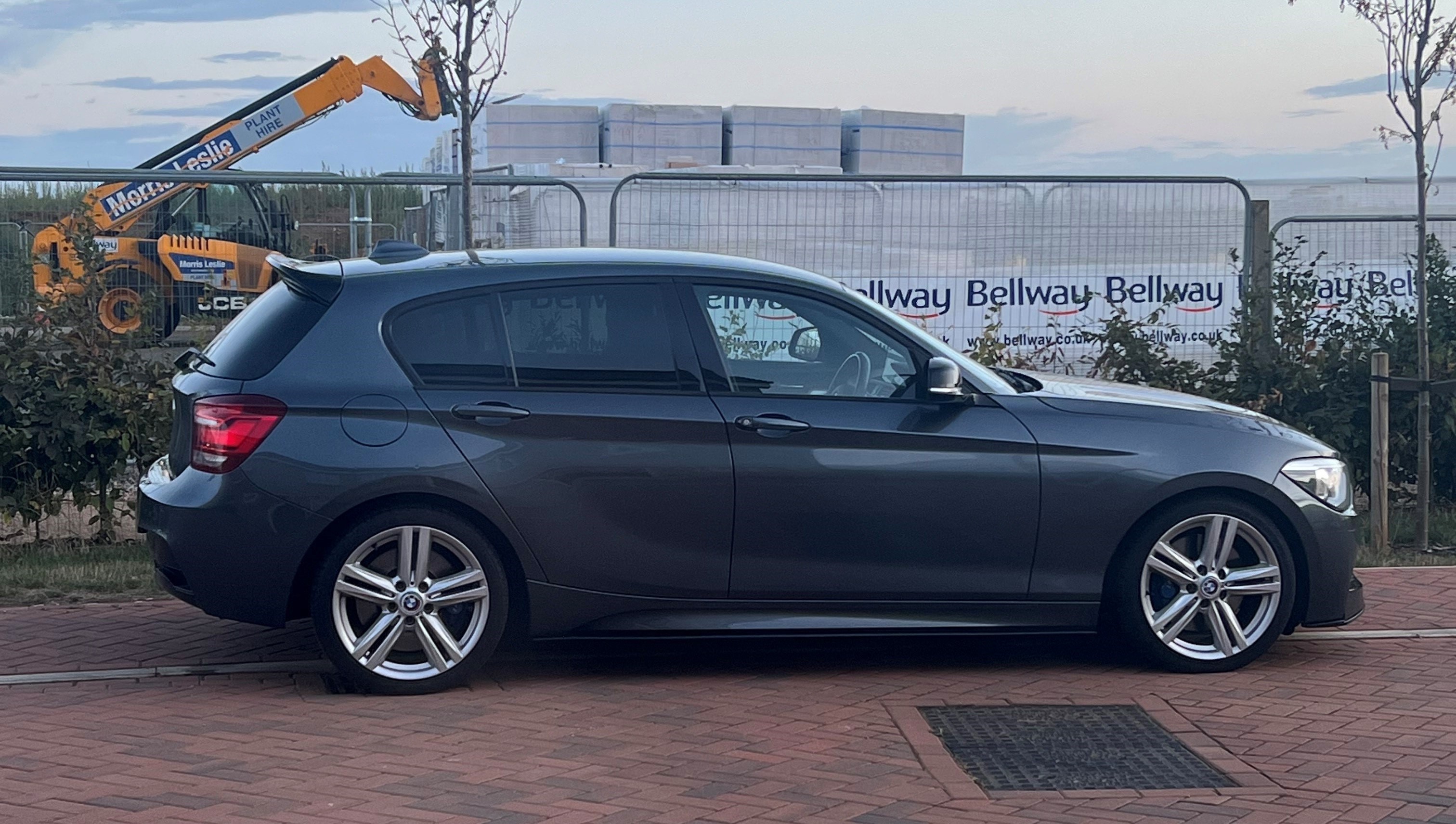
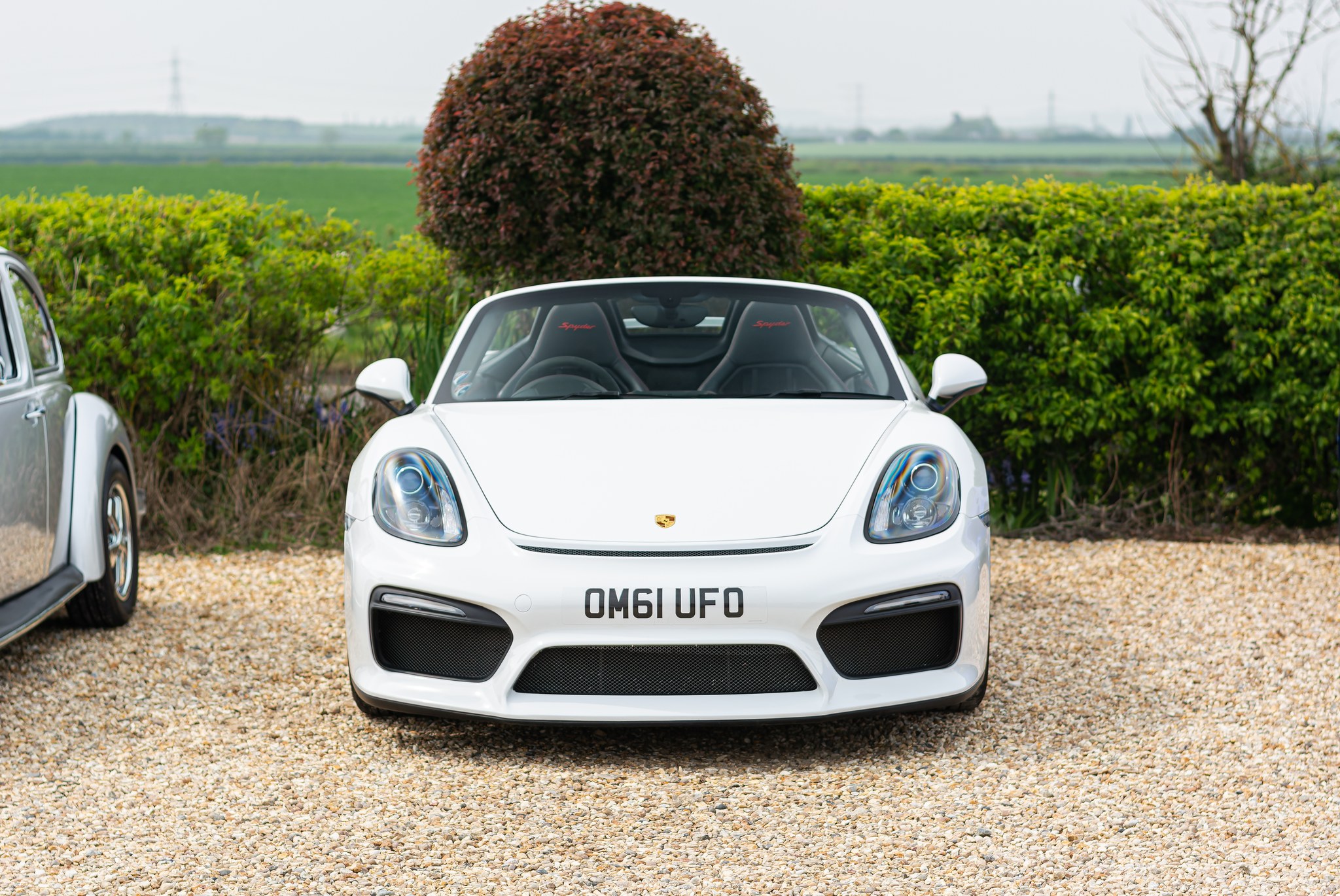
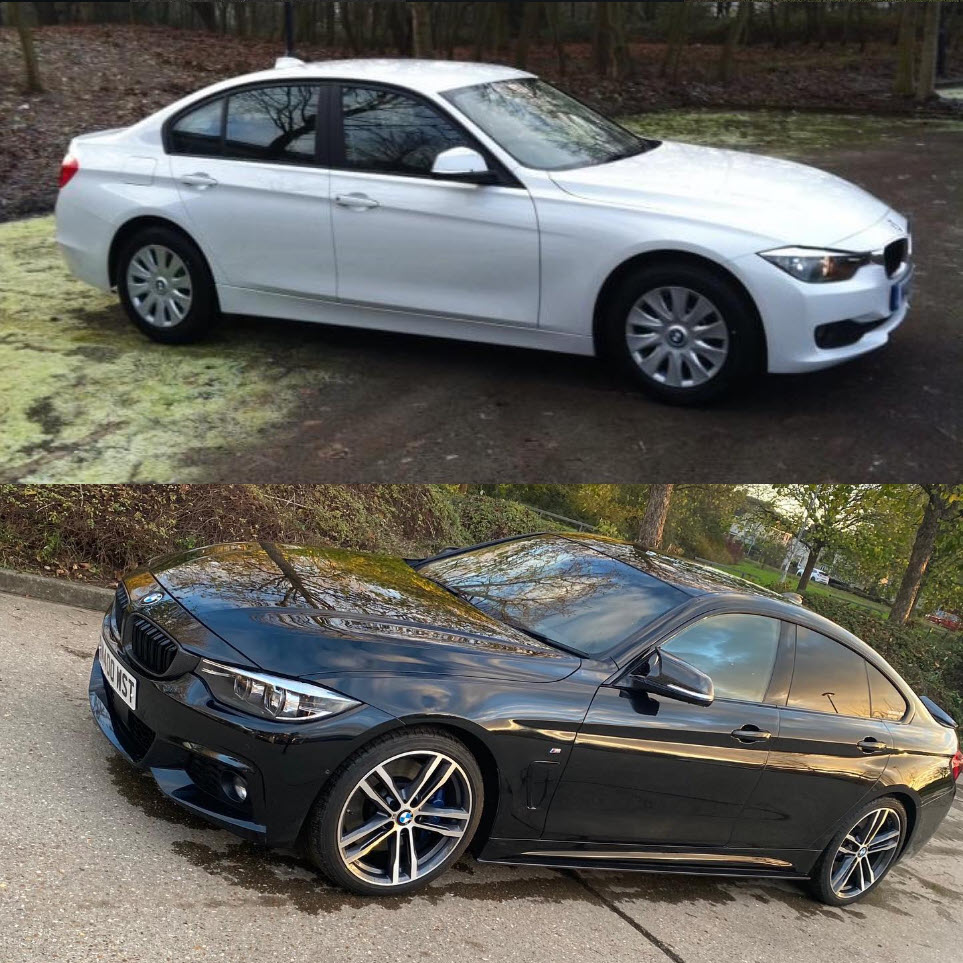
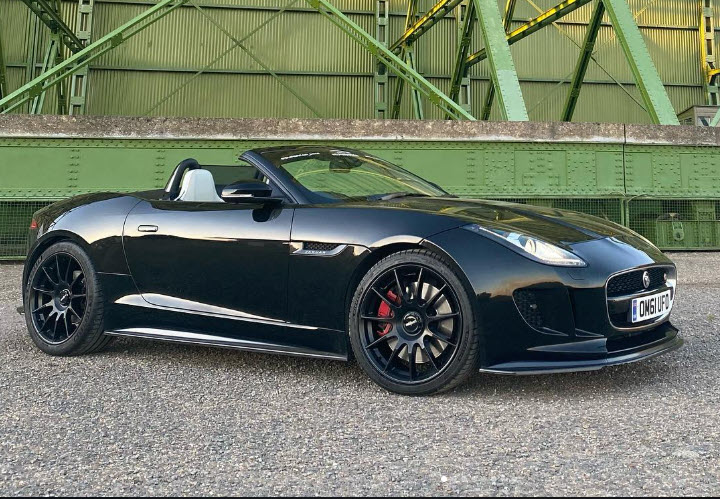
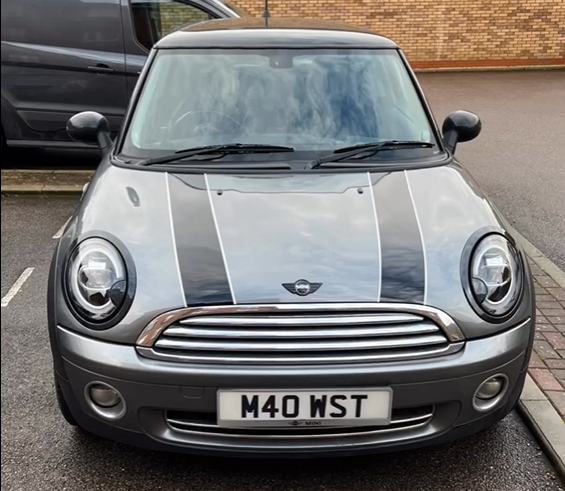
The cars are part of the journey, not the whole story. Each one marks a moment, a mindset, a goal or a chapter in life. Between 2003 - 2026 (time of writing) I've owned 21 cars. Not all are shown below as I don't have pictures, but each has its own story.
The beginning of the car obsession! 2003 - 2005: 1989 Ford Fiesta Popular Plus - The First Car, The Freedom. 2005 - 2006: 1998 Vauxhall Corsa LS - The Upgrade for the First Proper Job. The Brand New Cars! 2006 - 2008: 2x Vauxhall Corsa SXI - The First had electrical fault, The Second ended a CAT C! 2008 - 2010: Fiat Bravo Diesel - Commuter Car, Road Trip Car, Ended up selling to my Dad. The First Convertible in the Fleet and Also the First Speeding Ticket! The car to slow me down a bit! The first German, The first of many BMWs, The First Rear Wheel Drive ... A lot of first's in this car! The first was British Racing Green, Union Jacks, Harmon Kardon, I loved this car bought to rent my first flat. Sold it to buy my flat. The second... a Mistake and a Money Pit! I'd just bought my flat and my dad chucked me a paper that said "Partners, Cost Price plus a £1" (He worked for Vauxhall). I went looking for a Corsa and come back with this. It got me to my mum in less that 20 minutes when he collapsed. This was the first "second car" I brought, part of me stepping up when my family needed it. It served a purposed whilst it was needed. I bought this car as a daily weapon for work, but it only lasted 4 months when I realised I could afford a Porsche! This car was a life changer for me! What started off as a conversation at work ended up with this 6 weeks later. What followed was Modifications, Cannon Runs, Car Community (Petrolheadonism) and La Familigia For various reasons I no longer needed the big Astra Sports Tourer, so wanted something smaller for Daily Duties. This had heated windscreen, steering wheel and seats, so I couldn't go wrong! During COVID as we were coming out of the 2nd Lock Down, I made a decision to buy a new car. The Options we're this, a Mustang or AM V8 Vantage. This turned into Open Cone Filters, a love for Carbon Fibre and giving back to the community through the Sporting Bears and the Teddy Bear Run. This ended up being purchased due to a Christmas Family Trip needing a bigger car and during my ownership I actually lost less on the car than what it would have cost to hire a mini bus for the trip. It also had some Japan Racing Alloys for a While. I bought this at a time when fuel prices were high, I decided to go back to one car and sold the F-Type and the Golf. It started of black as Sabine with a lot of Carbon Fibre from CT Carbon. Then ended up as the HULK after I had it wrapped the equivalent of AMG Magno Green. Kid's Absolutely Loved this Car! Skylar was a fluke purchase, Millie Cooper II was costing me money and Paul from SpeedBrokers suggested I just got rid instead of ploughing money into. So even though I was in the middle of buying a house I bought this beast...Unfortunately it cost more to run than the Spyder so ultimately had to go. But what a Car! Storm is real sleeper, she's an ex-police chiefs car and is definitely running more than standard. I love the fact that is can walk all over unsuspecting hot hatches who have no idea what it is! Steffi is the culmination of a 5 year plan to pay off my debts, by a house and then buy a special car. That started in 2022 and in 2025 2 years early I made that dream happen. She is by far the best car I've ever owned and its the perfect candiate for this project.
The Spyder gets attention. This gives that attention a purpose. The messages are simple because they need to be remembered.
If you're struggling, please speak to someone. You don't have to wait until things are at breaking point.
Chapter 2 — The Mike Nobody Saw
Chapter 3 — Loss
Chapter 4 — Understanding Myself
Chapter 5 — Taking Back Control
Chapter 6 — Why The Porsche Says "It's OK To Talk"
The Cars
Why The Wrap Exists
Need Support?